
Convenience store for sale in the GTA: business and lease checks
Verify sales, lottery and tobacco revenue, lease term and transfer before you buy.
 By Inderpal Sidhu · Updated September 2026 · 6 min read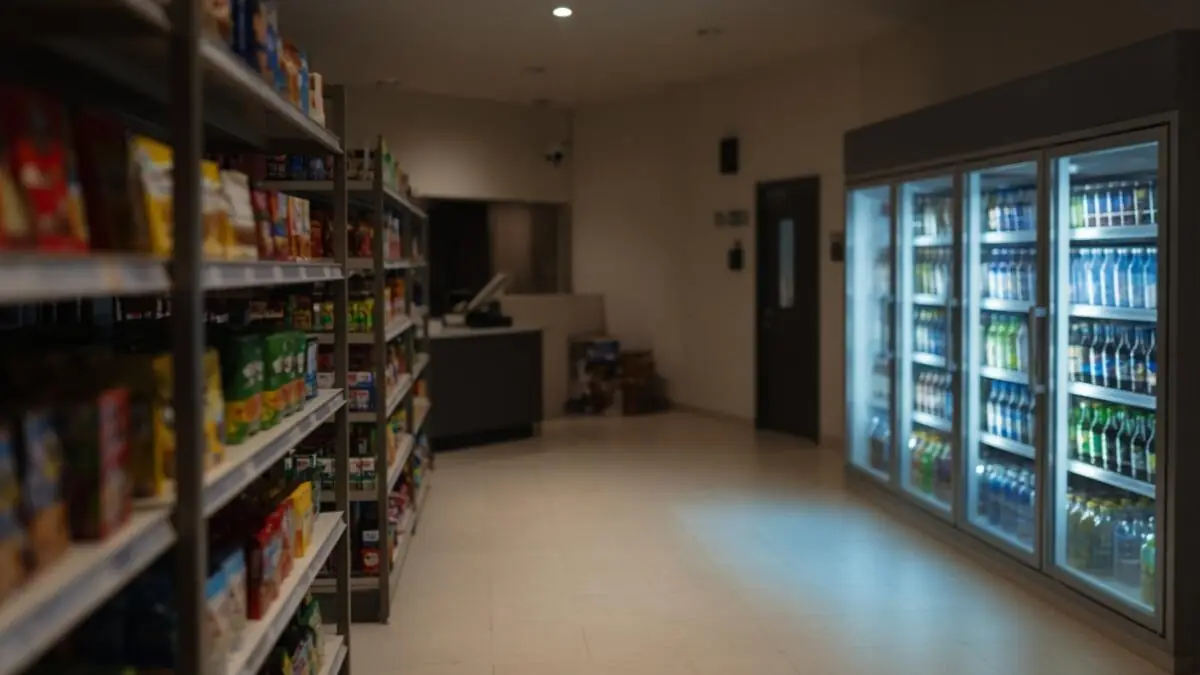
This is general information about GTA premises, not legal, licensing, tax, or planning advice. Confirm current rules with the named regulator, the municipality, and your lawyer before you sign or apply.
At a glance: Separate business assets from occupancy rights. Confirm the proposed food activities and any additional regulated revenue lines, then review the remaining lease term, renewal options and assignment requirements before committing.
A convenience store for sale in the GTA can look simple because the fixtures and inventory are visible. The hard part is the premises file: what the municipality permits, what the lease allows, which food activities trigger public-health requirements, and which separate regulators apply to tobacco, vape or lottery activities. Each revenue line needs its own confirmation.
A variety store lease in Toronto may fall within Toronto’s business-regulation framework, while a store in another GTA municipality follows that municipality’s rules. Do not assume a seller’s current mix of products, hours or licences transfers unchanged to a buyer. We negotiate the room; the operator and its advisers confirm the operating permissions.
Convenience store for sale in the GTA: separate the assets
The purchase may include inventory, coolers, shelving, counters, signs, point-of-sale equipment, cameras, lottery equipment, goodwill and a leasehold interest. Verify ownership and financing. Inventory counts and margins are business due diligence, while the lease assignment and premises condition are real estate and legal files.
A sale of business is not a sale of real estate unless title to the property is specifically included. If the operator buys only the business, the landlord still controls the lease. Consent, a new lease or an assignment can change rent, security, guarantee and permitted use.
Variety store lease in Toronto: identify each regulated activity
If the store sells food, the food-premises and municipal requirements should be confirmed for the actual handling and preparation. Tobacco and vape sales engage separate provincial and local rules. Lottery retail involves its own approval and contract. The operator should contact each regulator rather than relying on a general business licence.
The use clause should be broad enough for the intended lawful convenience and variety-store activities, but it should not promise activities the site or landlord cannot support. Future additions such as food preparation, parcel service or extended hours should be evaluated before they are treated as part of the value.
Want this checked for your situation? It takes about two minutes.
Buy or sell a businessFour-wall versus an assigned store
A new four-wall unit gives the operator control over layout and brand, but every regulated activity starts from the beginning. A purchased store may have customer history and equipment, but old fixtures, weak utility capacity and a short or restrictive lease can reduce the value quickly.
Compare the remaining term, options, rent escalations, additional rent, exclusivity, signage, hours, deliveries and assignment language. The seller’s profit claim cannot cure a lease that ends before the buyer can recover its investment.
What the premises must physically allow
The room should support receiving, secure storage, refrigeration, food-safe handling where applicable, customer circulation, accessible entry, staff areas, waste and surveillance. Confirm electrical capacity for coolers and freezers, heat rejection, drainage and who maintains equipment.
The site should support frequent short visits, deliveries, signage, lighting and the intended hours. Check neighbouring uses, parking conflicts and restrictions on exterior displays. If cooking or preparation is contemplated, the room must be re-tested as a more intensive food use.
Lease clauses that kill operators
A narrow use clause can exclude important revenue categories. A short term with weak renewal options can destroy resale value. Broad landlord relocation rights can move the store away from the traffic pattern it purchased. Restrictions on hours, signs, deliveries or exterior equipment can limit the operating model.
Assignment provisions are central to a store sold as a business. Confirm consent standards, transfer fees, financial tests, continuing liability and whether options survive an assignment. The buyer’s lawyer should coordinate the purchase agreement and lease so neither becomes unconditional while the other remains unresolved.
A practical premises file
A listing sheet is not proof that a use is permitted. The first file should contain the proposed use in plain language, the municipal zoning or use confirmation, the regulator path, the landlord’s written position, and a plan showing the area the convenience-store operator will actually occupy. The question is not whether another business looks similar. The question is whether this operator, in this unit, with this equipment and these hours, can lawfully and practically open.
Build the operating brief before the tour. Record customer volume, staff count, delivery pattern, waste, noise, odour, water demand, electrical load, ventilation, parking, loading, security and signage. A quiet professional office and a late-hour food use can fit the same square footage but impose completely different demands on neighbours, building systems and the lease. Those facts should drive the search before rent does.
Bring the right technical people in before conditions expire. Depending on the use, that may include a contractor, architect, engineer, planner, licensing consultant, public-health contact or college representative. Their job is not to make the deal attractive. Their job is to identify what the room needs, what approvals are still outstanding, and which assumptions should become landlord representations, conditions or priced construction items.
Separate landlord work from tenant work in writing. Service upgrades, rooftop equipment, roof penetrations, grease or oil systems, washrooms, barrier-free work, fire separations, sprinklers, doors and utility connections can become expensive disputes when the lease only says the tenant accepts the premises as is. A clear schedule of work, drawings, responsibility, access and completion evidence is more useful than a vague promise that the space will be ready.
Map the approval sequence backward from the proposed opening, without assuming a regulator or municipality will meet a sales deadline. Put each dependency beside the party responsible for it: corporate registration, zoning or use confirmation, plans, permits, inspections, licence or accreditation, construction, equipment commissioning and occupancy. Where timing can change, the lease should give the convenience-store operator a defined decision point rather than forcing rent to run while a critical approval remains unresolved.
Document the file. Keep the listing, plans, emails, landlord answers, municipal notes, regulator guidance, contractor budget and negotiated lease schedule together. If a statement matters to the decision, it should not live only in a phone call. A disciplined record makes it easier for the lawyer and technical team to test the transaction and reduces the risk that an early assumption quietly becomes a long-term operating problem.
For representation focused on the real estate file, see INDI GTA HOMES commercial services. The broader sequence is set out in How to open a business in the GTA: the premises file comes first. We find and negotiate premises; the operator and its professional advisers handle licences, permits, tax and legal compliance.
Before conditions are waived
Before waiving a condition, compare the operating plan against the lease one final time. Confirm that the use language covers the actual revenue activities, that access and delivery rights match the operating hours, and that the construction schedule deals with the work everyone assumed would happen. The best time to discover a mismatch is while the tenant still has a contractual choice.
Rent must be read as a full occupancy cost, not a headline rate. Base rent, additional rent, utilities, maintenance, insurance, waste, snow, security, repairs and capital obligations can shift the economics. The number that matters is the cost of operating the required room after construction and compliance, not the cheapest advertised rate per square foot.
The premises should also be tested for exit. An operator may need to assign the lease, sell the business, bring in a partner, change a franchise system or close. Consent standards, transfer fees, continuing liability, restoration and removal of improvements determine whether the location remains an asset or becomes a trap when the business changes.
Want this checked for your situation? It takes about two minutes.
Buy or sell a businessSpeak with Inderpal Sidhu
Direct: (647) 338-6875 · Office: (647) 931-5918
WhatsApp · Book a consult
Homelife Silvercity Realty Inc., Brokerage. Independently owned and operated.
Related guides

Commercial lease and franchise deals in the GTA: a practical guide
Aligning permitted use, franchise requirements and lease terms so the deal holds together.
Read the guide
Car wash for sale in Ontario: land, equipment and lease checks
Land, equipment, water, environmental and lease checks before buying a car wash.
Read the guide