
How to open a restaurant in the GTA: premises and lease guide
Exhaust, grease trap, permits and the lease clauses that protect a new restaurant.
 By Inderpal Sidhu · Updated September 2026 · 6 min read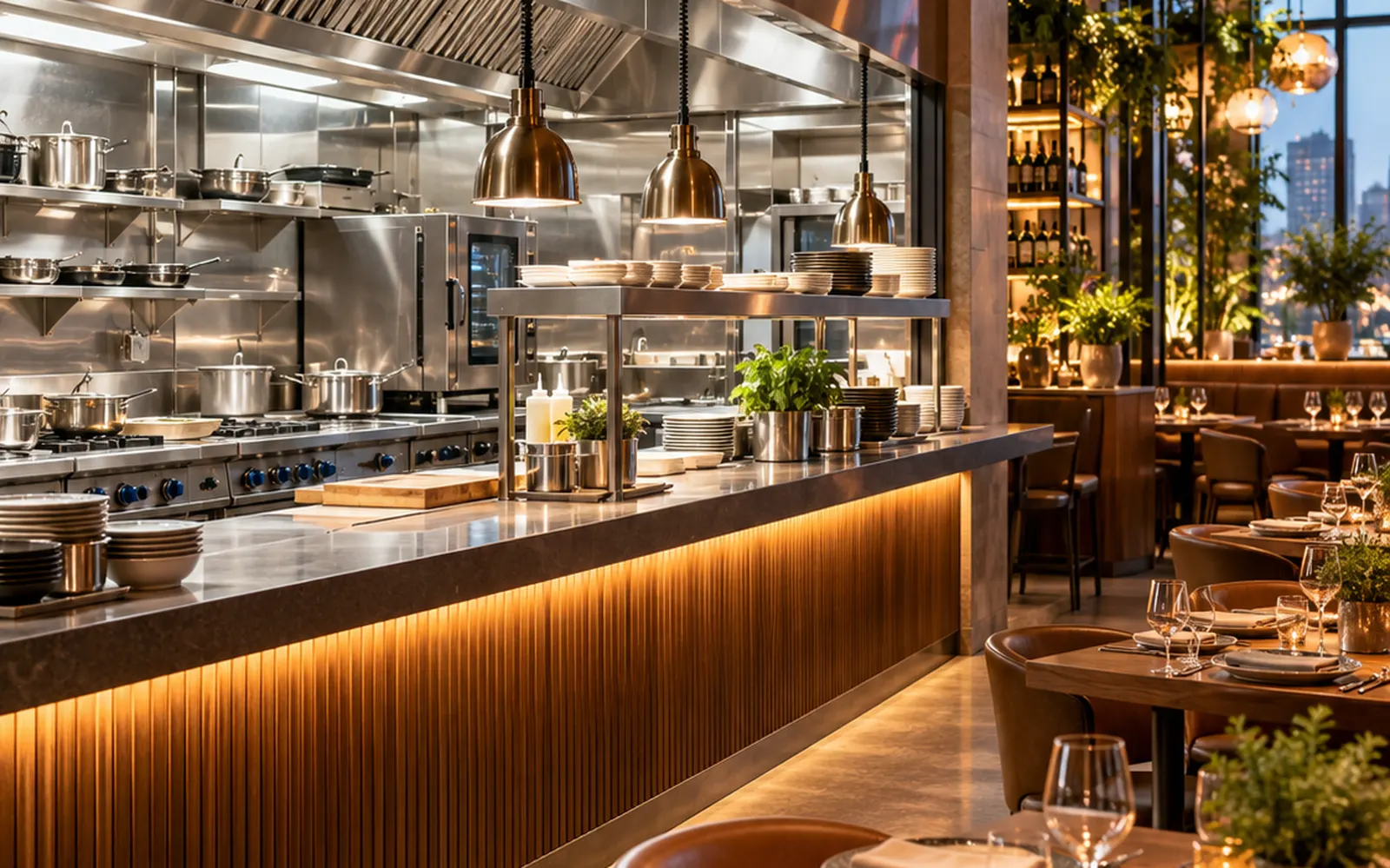
This is general information about GTA premises, not legal, licensing, tax, or planning advice. Confirm current rules with the named regulator, the municipality, and your lawyer before you sign or apply.
At a glance: Confirm the food operation and municipal use first. Public-health notice, kitchen systems, any liquor application and the lease must align. An existing hood or a seller’s licence does not prove that your proposed restaurant can open.
To open a restaurant in Toronto or evaluate a restaurant for lease in the GTA, treat the room as a regulated food premises before treating it as a design project. Public health, zoning, municipal licensing, building systems and the lease all move on separate tracks. A built kitchen can shorten the construction list, but it does not prove that a new operator can simply take the keys and open.
Toronto Public Health says anyone intending to operate a food premises must notify the Medical Officer of Health before starting, including a buyer taking over an existing food premise. The Ontario Food Premises Regulation applies provincially. The operator should confirm the current process with the local public-health unit because Toronto’s municipal licence does not govern Brampton, Markham, Mississauga or the rest of the GTA.
Opening a restaurant in Toronto: public health and permitted use
The public-health file begins before opening and should inform plans for construction or renovation. Toronto’s official guide describes plan review, structural requirements and inspections. It also directs operators to check zoning, building, plumbing, mechanical and sign requirements. That is the correct sequence: describe the food operation, obtain the right technical input, and test the plans before expensive work is locked in.
The Food Premises Regulation addresses the operation and physical standards of food premises. Food-handler certification is part of the compliance file. The operator should confirm who must be certified and the accepted training with the local public-health unit. A seller’s current inspection history is useful evidence, but it is not a substitute for the buyer’s own notification and operating plan.
Restaurant for lease in the GTA: the kitchen is a system
A restaurant is not just a hood and a dining room. Trace supply from delivery to storage, preparation, cooking, service, dishwashing, grease management, garbage and pest control. Confirm electrical and gas capacity, make-up air, exhaust route, roof rights, fire suppression, hot water, drainage, floor sinks, refrigeration and the condition of landlord-owned equipment.
Grease interceptors and HVAC are frequent deal-breakers because responsibility crosses the unit, roof and base-building systems. The lease and work letter should identify existing equipment, ownership, maintenance, replacement, access and approval for penetrations. A contractor’s budget should distinguish equipment that can be reused from equipment that only appears serviceable during a tour.
Liquor is a parallel AGCO track
If liquor service is part of the plan, treat AGCO licensing as a parallel track, not an assumption built into the restaurant. The proposed hours, floor plan, patio, entertainment and control of the premises may affect the operating file. Confirm the current requirements and fees on the official AGCO pages rather than relying on a seller’s licence or an old application checklist.
The commercial lease should not promise that the broker, landlord or seller will deliver a liquor licence. It should instead allocate cooperation, documents, access and any condition the operator’s lawyer considers necessary. The restaurant must still work as a premises if the alcohol timetable changes.
Want this checked for your situation? It takes about two minutes.
Find my restaurant spaceToronto licence versus another GTA municipality
Toronto currently uses an Eating or Drinking Establishment licence category and requires a zoning review in many cases. Its official page lists current documents and fees, but those numbers belong to Toronto and can change. Confirm the current fee on the official page. Do not copy Toronto’s licence category, documents or fee into a Brampton, Markham, Vaughan or Mississauga budget.
Outside Toronto, start with the municipality where the address is located and the applicable public-health unit. Ask the municipality to confirm the proposed use in the operator’s own words, including takeout, seating, patio, entertainment, delivery, catering or late hours where applicable.
What the premises must physically allow
The food premises must physically support safe receiving, storage, preparation, handwashing, warewashing, temperature control, waste and pest management. Customer flow cannot block staff work or emergency paths. Washrooms, accessibility, seating and occupant load should be reviewed with the appropriate professionals and municipality.
Outside the unit, confirm deliveries, garbage enclosure, grease service, parking, pickup traffic, patio rights and the effect on neighbouring tenants. Odour and noise provisions can be as important as the use clause. A restaurant that depends on delivery drivers or late dinner traffic needs a site plan that can absorb that pattern.
Lease clauses that kill operators
The dangerous clauses are the ones that separate rent from approvals. Watch for rent commencing before landlord work or permits, an as-is clause that contradicts promises about services, a use clause that excludes catering or takeout, and repair language that makes the tenant replace aging base-building equipment. Confirm exclusivity, patio rights, signage and delivery access in the lease.
Assignment and change-of-control provisions matter when a restaurant is sold. A buyer may be purchasing chattels and goodwill but still require landlord consent and its own regulatory approvals. Restoration language should address the hood, duct, grease equipment, gas, plumbing and roof penetrations so the exit cost is understood before opening.
A practical premises file
A listing sheet is not proof that a use is permitted. The first file should contain the proposed use in plain language, the municipal zoning or use confirmation, the regulator path, the landlord’s written position, and a plan showing the area the restaurant operator will actually occupy. The question is not whether another business looks similar. The question is whether this operator, in this unit, with this equipment and these hours, can lawfully and practically open.
Build the operating brief before the tour. Record customer volume, staff count, delivery pattern, waste, noise, odour, water demand, electrical load, ventilation, parking, loading, security and signage. A quiet professional office and a late-hour food use can fit the same square footage but impose completely different demands on neighbours, building systems and the lease. Those facts should drive the search before rent does.
Bring the right technical people in before conditions expire. Depending on the use, that may include a contractor, architect, engineer, planner, licensing consultant, public-health contact or college representative. Their job is not to make the deal attractive. Their job is to identify what the room needs, what approvals are still outstanding, and which assumptions should become landlord representations, conditions or priced construction items.
Separate landlord work from tenant work in writing. Service upgrades, rooftop equipment, roof penetrations, grease or oil systems, washrooms, barrier-free work, fire separations, sprinklers, doors and utility connections can become expensive disputes when the lease only says the tenant accepts the premises as is. A clear schedule of work, drawings, responsibility, access and completion evidence is more useful than a vague promise that the space will be ready.
Map the approval sequence backward from the proposed opening, without assuming a regulator or municipality will meet a sales deadline. Put each dependency beside the party responsible for it: corporate registration, zoning or use confirmation, plans, permits, inspections, licence or accreditation, construction, equipment commissioning and occupancy. Where timing can change, the lease should give the restaurant operator a defined decision point rather than forcing rent to run while a critical approval remains unresolved.
Document the file. Keep the listing, plans, emails, landlord answers, municipal notes, regulator guidance, contractor budget and negotiated lease schedule together. If a statement matters to the decision, it should not live only in a phone call. A disciplined record makes it easier for the lawyer and technical team to test the transaction and reduces the risk that an early assumption quietly becomes a long-term operating problem.
For representation focused on the real estate file, see INDI GTA HOMES commercial services. The broader sequence is set out in How to open a business in the GTA: the premises file comes first. We find and negotiate premises; the operator and its professional advisers handle licences, permits, tax and legal compliance.
Want this checked for your situation? It takes about two minutes.
Find my restaurant spaceSources
Toronto Public Health — Starting a Food Business
Speak with Inderpal Sidhu
Direct: (647) 338-6875 · Office: (647) 931-5918
WhatsApp · Book a consult
Homelife Silvercity Realty Inc., Brokerage. Independently owned and operated.
Related guides

Open a licensed daycare in Ontario: premises and lease guide
Zoning, licensing, outdoor play space and lease terms to check before you commit to a daycare premises.
Read the guide
Cannabis retail lease Ontario: AGCO and premises checklist
Screen premises for AGCO approvals, municipal rules, school distance, security and lease conditions.
Read the guide
Grocery store for lease in the GTA: a premises checklist
Power, refrigeration, loading and food-premises rules for a GTA grocery lease.
Read the guide